

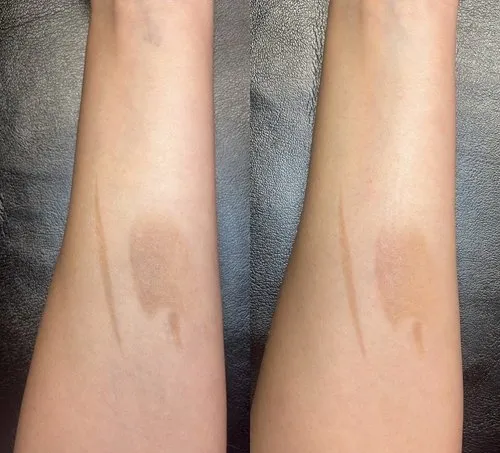
Most people spot it in a photo first. A patch that looks a little darker than the skin around it: underarms, knees, elbows, the bikini line, the back of the neck. It’s incredibly common, it’s rarely a sign that anything is wrong, and it’s also something a lot of people quietly worry about. So let’s talk about where it comes from and what you can reasonably do.
Why skin ends up uneven
Skin darkens in an area when it’s been irritated, rubbed, or inflamed, and then it holds on to that extra pigment for a while. Doctors call this post-inflammatory hyperpigmentation, but the everyday version is simple. Common causes include:
-
Friction. Tight clothes, skin rubbing against skin, even a bra strap or waistband.
-
Shaving irritation. Razor burn and nicks can leave a mark long after they heal.
-
Inflammation. Breakouts, ingrown hairs or rashes can leave a shadow behind.
-
Hormonal shifts. Pregnancy, certain medications and natural hormone changes can all affect pigment.
-
Sun. UV exposure darkens marks and makes existing ones last longer.
More than one of these usually plays a part. That’s why two people can use the same routine and see different results.
Brightening isn’t the same as bleaching
You’ll see both words online. People search for things like body bleaching treatment, and the terms get tossed around as if they mean the same thing. They don’t, or at least they shouldn’t.
Brightening is about helping an area look more even and fresh, usually by supporting the skin’s natural renewal and calming irritation. Bleaching suggests stripping color, and that’s where things get risky. Nobody needs to change their natural skin color. If a product or provider talks like that’s the goal, treat it as a red flag.
What you can do at home
The unglamorous answer works best. Be gentle with the area. Cleanse without scrubbing, wear looser clothes where friction is the issue, and stop picking at bumps or scabs. Use sunscreen on any exposed spots, because sun makes dark marks stick around. And be patient, since changes in pigment usually take weeks or months, not days.
If a dark patch appears suddenly, keeps spreading, feels thick or velvety, or just looks different from anything you’ve had before, see a doctor or dermatologist. That’s a case for a medical check, not a cosmetic fix.
A few other small things add up. Moisturize so skin stays supple, swap out an old razor before it dulls, and change out of sweaty workout clothes promptly, since damp friction can keep an area irritated. None of this is glamorous, but irritation is behind most dark marks, so calming it down is half the battle.
What a professional treatment involves
A good provider starts with questions. What’s the area, how long has it been there, what do you use on it, and what’s your skin like in general? Then they’ll talk through ingredients, how your skin might respond, and what a realistic timeline looks like. Many people need a series of visits rather than one, and the results depend on your skin and your habits afterward. Anyone promising a guaranteed outcome in one session isn’t being straight with you.
This is also the time to ask about a patch test, especially if your skin runs sensitive. A careful provider won’t mind.
Whether you’re researching a professional skin brightening treatment for the underarms, knees, or bikini line, the questions are the same: what’s in it, who’s applying it, and what happens if your skin objects.
Setting realistic expectations
Brightening is gradual. You might notice an area looking a little more even over several weeks, but results depend on your skin, how long the discoloration has been there, and how well you protect it from irritation and sun. A provider who promises a specific shade, or waves around miracle before-and-after photos, is selling more than they can deliver. Good signs look different: they ask about your routine, talk about several visits instead of one, and tell you plainly when something isn’t suitable for you.
Be careful with sensitive and intimate areas
This is the part worth repeating. Skin around the bikini line, inner thighs, and underarms is thinner and reacts more easily. Home remedies like lemon juice or baking soda can burn it. So can unmarked creams ordered from random online sellers. If something stings, blisters, or leaves the skin raw, stop using it and get advice. Dark marks left by a chemical burn can be harder to treat than the irritation you started with. Be especially wary of anything sold as a skin bleaching treatment for intimate areas without a clear ingredient list.
When to talk to someone
If your pigment concerns have lasted a while, or home care hasn’t made a dent, a trained provider may be worth a look. Ask what’s in the products, who’s doing the treatment, and what happens if your skin doesn’t respond well.
Uneven tone is common, and it isn’t something to be embarrassed about. If you’d like to see what services are on offer around Sacramento and Elk Grove, nakedskinwaxing.com has the full list.