

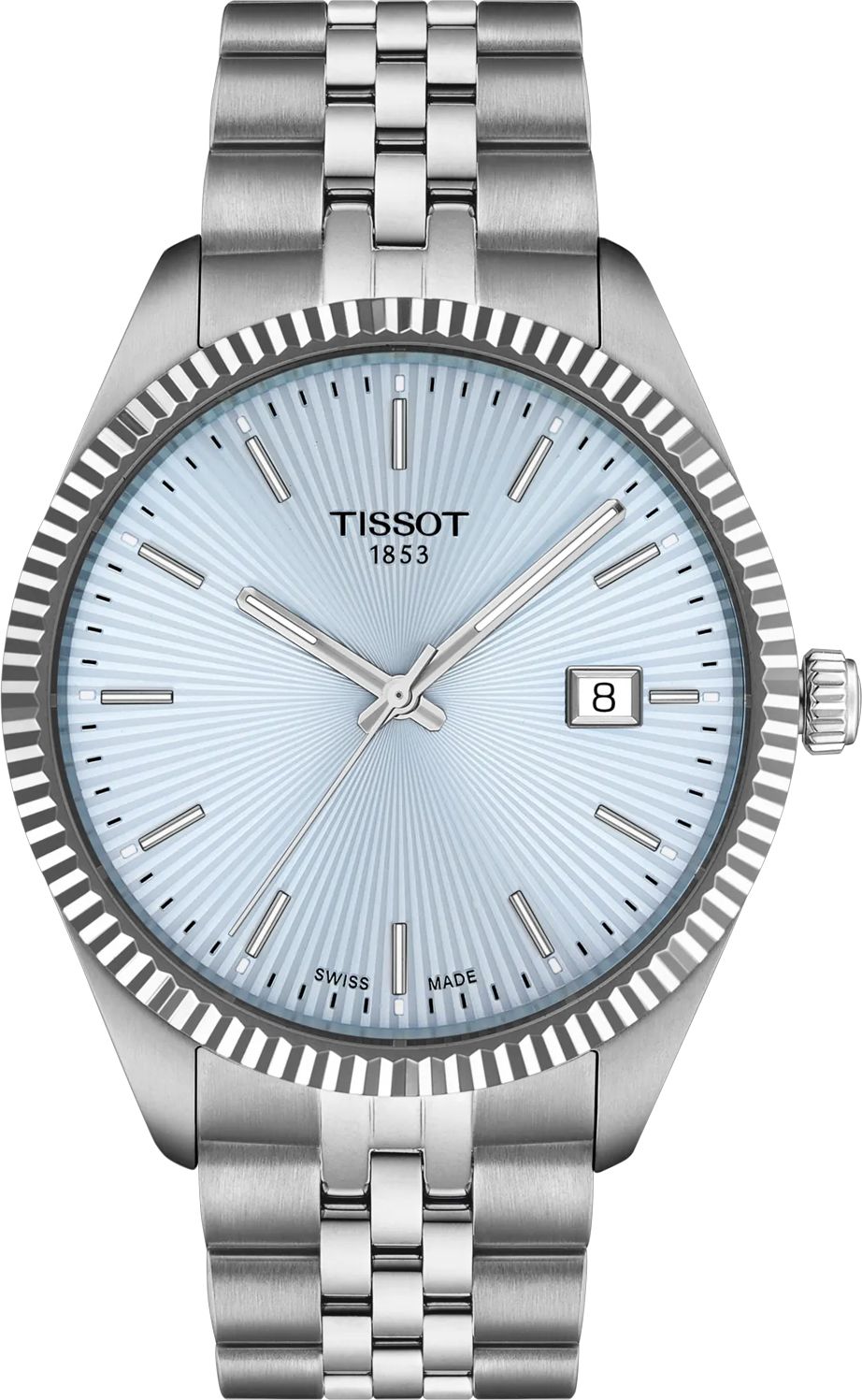
Swiss watchmaking has long been synonymous with precision, craftsmanship, and heritage. Among the brands that have shaped this legacy, Tissot stands as one of the most influential and enduring names. Founded in the mid-19th century, Tissot’s journey reflects the evolution of watchmaking itself—from hand-assembled pocket watches to technologically advanced modern timepieces.
Over more than 170 years, Tissot has remained committed to innovation while honoring traditional Swiss craftsmanship. Its ability to adapt to changing times without losing its identity has made the brand a cornerstone of global horology.

The Founding Years: 1853 and the Birth of a Legacy
Tissot was founded in 1853 in Le Locle, Switzerland, by Charles-Félicien Tissot and his son Charles-Émile Tissot. At a time when watchmaking was still largely artisanal, the brand quickly gained recognition for precision and reliability.
Early on, Tissot focused on pocket watches, many of which were exported internationally. This global outlook was uncommon in the 19th century and helped establish the brand’s reputation beyond Switzerland. Tissot became one of the first Swiss watchmakers to mass-produce watches while maintaining quality standards—a groundbreaking approach that would define its future.
Expanding Horizons: Innovation in the Early 20th Century
As wristwatches began to replace pocket watches in the early 1900s, Tissot adapted swiftly. The brand introduced wristwatches that maintained the accuracy and durability of their pocket-watch predecessors.
During this period, Tissot also explored new materials and mechanisms, reinforcing its reputation as an innovator. These developments helped lay the foundation for collections that would later appeal to both professionals and everyday wearers.
Pioneering Materials and Technology
Innovation has always been central to Tissot’s philosophy. Throughout the 20th century, the brand introduced several industry-firsts that challenged traditional watchmaking norms.
Tissot experimented with unconventional materials, proving that Swiss watches could evolve without sacrificing quality. This willingness to innovate allowed the brand to remain relevant during periods of major technological change, including the quartz revolution.
Rather than resisting change, Tissot embraced it—balancing mechanical tradition with modern advancements.
Surviving the Quartz Crisis
The quartz crisis of the 1970s threatened the existence of many Swiss watch brands. Affordable quartz watches from Asia disrupted traditional mechanical watchmaking, forcing Swiss manufacturers to rethink their strategies.
Tissot responded by incorporating quartz technology into its lineup while continuing to refine mechanical movements. This adaptability allowed the brand not only to survive but to emerge stronger, offering consumers both traditional and modern options under one trusted name.
Becoming a Global Brand
Over time, Tissot transformed from a regional Swiss manufacturer into a truly global brand. Strategic partnerships and international distribution helped bring Swiss craftsmanship to a wider audience.
Today, tissot watches are recognized worldwide for their balance of quality, design, and accessibility. Unlike brands that cater exclusively to luxury collectors, Tissot positioned itself as a watchmaker for real people—professionals, enthusiasts, and first-time buyers alike.
Design Philosophy Through the Decades
One of Tissot’s defining strengths is its design consistency. While trends come and go, Tissot focuses on timeless aesthetics that age gracefully.
Design principles that have remained constant include:
-
Clean, legible dials
-
Balanced case proportions
-
Subtle detailing that enhances usability
This approach ensures that watches remain stylish across generations, making them suitable for everyday wear as well as special occasions.
Watches for Men and Women Alike
Tissot has always recognized that watchmaking is not one-size-fits-all. Over the decades, the brand has developed collections that cater to different lifestyles, wrist sizes, and aesthetic preferences.
Unlike many Swiss brands that treat women’s watches as decorative accessories, Tissot designs functional and elegant pieces with equal attention to detail. This commitment has helped establish strong credibility for both tissot watches for men and tissot watches for women, ensuring performance and style across collections.
Modern Innovation and Swiss Precision
In the modern era, Tissot continues to push boundaries while respecting tradition. The brand invests heavily in research and development, refining movements, improving materials, and enhancing user experience.
Modern Tissot watches benefit from:
-
Advanced manufacturing techniques
-
Improved accuracy and durability
-
Contemporary design elements that reflect modern lifestyles
These innovations ensure that Tissot remains competitive in a crowded market while maintaining its Swiss identity.
Sports, Partnerships, and Global Visibility
Tissot’s involvement in international sports has further strengthened its global presence. By partnering with major sporting organizations, the brand showcases its commitment to precision, timing, and performance.
These partnerships reinforce the brand’s image as a reliable timekeeper under pressure—values that align perfectly with Swiss watchmaking principles.
Why Tissot’s History Still Matters Today
In a world of fast fashion and disposable accessories, heritage matters. Tissot’s long history is not just a marketing story—it’s a testament to resilience, innovation, and craftsmanship.
Buyers today are increasingly drawn to brands with authentic stories, and Tissot’s journey from a small Swiss workshop to a global watchmaker resonates strongly with modern consumers.
The Future of Tissot Watches
Looking ahead, Tissot continues to focus on innovation without abandoning its roots. By blending traditional Swiss watchmaking with modern technology and design, the brand is well-positioned for the future.
Its ability to evolve while maintaining consistent quality ensures that tissot watches for men and women will remain relevant for generations to come.
Final Thoughts
From its founding in 1853 to its position as a global watchmaking leader, Tissot’s history is a story of adaptability, innovation, and enduring craftsmanship. Few brands have managed to navigate such dramatic changes in the watch industry while remaining true to their identity.
Today, Tissot stands as a symbol of accessible Swiss excellence—offering watches that combine heritage, performance, and timeless design. For anyone seeking a brand with both history and forward-thinking innovation, Tissot remains a name that truly stands the test of time.
