

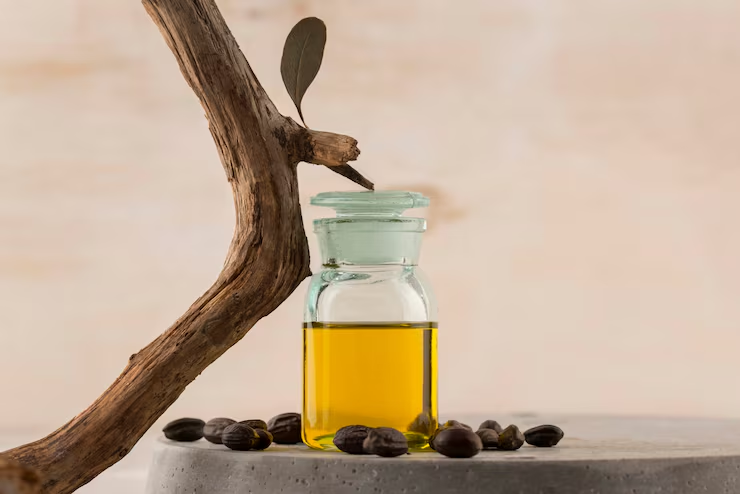
If you’re building a simpler, more consistent self-care routine, copaiba essential oil can be a surprisingly easy place to start. Known for its warm, resinous aroma and flexible use, copaiba is often chosen by people who want a “low-drama” oil that blends well with others and fits naturally into evening wind-down rituals, skin-care routines (when diluted), and mindful moments throughout the week.
This article breaks down what copaiba essential oil is, how people commonly use it, what to look for when buying, and how to keep your routine practical and safe.
What is copaiba essential oil?
Copaiba essential oil is typically sourced from the resin of copaiba trees. The resulting oil is often described as soft and grounding, with an aroma that can feel woody, slightly sweet, and gently resinous. Because it tends to be less sharp than some popular essential oils, many people find it easy to incorporate without feeling overpowering.
A key reason copaiba essential oil has become more popular is that it can play multiple roles in a routine:
- A standalone oil for simple rituals
- A blending oil that supports other scents
- A topical option when properly diluted
If you’re looking to explore it from a reliable source, Vitality Extracts offers copaiba essential oil designed for straightforward everyday use.
Why people love copaiba essential oil for daily rituals
Many wellness routines fail because they’re too complicated. Copaiba essential oil often succeeds in routines because it’s easy to repeat. People commonly use it to support:
Calm, end-of-day transitions
A consistent scent can become a signal to your body that it’s time to slow down. Many users diffuse copaiba essential oil in the evening or add it to a bedtime routine.
Skin-focused self-care (with dilution)
Some people include copaiba essential oil in their personal care routines by mixing it into a carrier oil or unscented lotion. Dilution helps make topical use more comfortable and reduces irritation risk.
Blending without overpowering
Copaiba often blends well with:
- Lavender and chamomile (soft, calming profiles)
- Citrus oils (bright, uplifting blends)
- Frankincense (resin-forward combinations)
- Cedarwood (deep, grounding combinations)
- This makes it useful if you’re trying to create your own signature blend.
Common ways to use copaiba essential oil
The best method depends on your goals and preferences. Here are the most common approaches:
1) Aromatic use with a diffuser
Diffusing copaiba essential oil can be an easy way to shape the atmosphere of a room. People often choose it for:
- Evening relaxation
- Reading or journaling
- Unwinding after training
- Setting a calmer tone during busy weeks
Practical tips:
- Start with fewer drops than you think you need
- Keep sessions time-limited (especially in smaller rooms)
- Follow your diffuser instructions and product label guidance
2) Topical use (always diluted)
Topical use is popular, but dilution is essential for most people. A simple approach is adding a small amount of copaiba essential oil to a carrier oil.
Common carrier options:
- Fractionated coconut oil
- Jojoba oil
- Sweet almond oil (if tolerated)
Good habits:
- Patch-test first
- Avoid eyes and sensitive areas
- Don’t apply to broken or irritated skin
- Wash hands after use
3) Personal ritual cues
Sometimes the real benefit comes from the routine itself. Using copaiba essential oil as a consistent “cue”—for example, applying a diluted blend to wrists before bed—can create a comforting sense of continuity.
This can be especially helpful for teens and adults alike who want calming, predictable habits without complex steps.
How to choose a quality copaiba essential oil
When shopping, it helps to evaluate the product and brand for transparency and practicality.
Look for:
- Clear labeling and usage guidance
- Straightforward ingredient information
- Storage recommendations
- A brand that offers realistic safety instructions
You don’t need to be an expert to choose well. Start by picking a product that provides clarity about what it is and how to use it responsibly. Vitality Extracts’ copaiba essential oil page is a useful reference point for understanding the product and incorporating it into a routine.
Safety basics for essential oils
Essential oils are concentrated. Even gentle oils can cause irritation if overused or used incorrectly. Keep it simple:
- Dilute for topical use unless a label explicitly says otherwise
- Patch-test before broader application
- Avoid ingestion unless specifically directed by a qualified professional and the product is designed for that use
- Use caution around children and pets
- Consult a healthcare professional if you are pregnant, nursing, or managing a condition
Also: avoid making your routine too intense too quickly. Start small and build gradually.
Making your routine sustainable
If your goal is consistency, keep the first week easy:
- Choose one method (diffuse or topical).
- Pick one time of day you can stick to (e.g., after shower or before bed).
- Use the same simple blend for a week.
- Adjust based on comfort and preference.
Once you’ve built the habit, you can experiment with blends, rotation schedules, or seasonal routines.
Conclusion
Copaiba essential oil fits well into modern wellness because it’s versatile, blend-friendly, and easy to use consistently—especially when you focus on simple rituals and proper dilution. If you’re aiming for a calmer daily routine without complexity, copaiba is a practical option to explore.
To get started with a straightforward product, Vitality Extracts offers copaiba essential oil that can be incorporated into both aromatic and topical routines (with responsible use).