

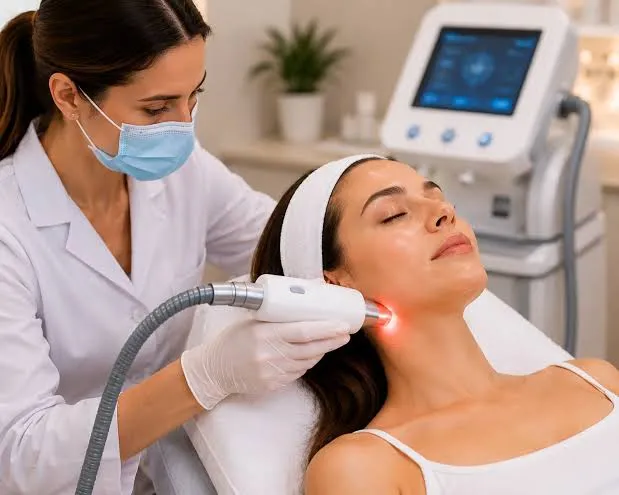
Wrinkles and changes in skin firmness often appear together, but they do not always have the same cause. Repeated facial movements can create lines between the brows, across the forehead, and around the eyes. A gradual loss of firmness may make other areas look less smooth or defined. Understanding these differences can help people ask better questions before choosing an aesthetic service. Dysport and laser-based skin treatments address different concerns, so a thoughtful plan begins with individual goals, a professional assessment, and realistic expectations rather than choosing a procedure based on age alone.
Understand What Causes Skin Changes
Facial lines can develop as muscles repeatedly contract during everyday expressions such as frowning, squinting, or raising the eyebrows. Over time, these movements may leave visible creases even when the face is at rest. Skin laxity is different: it refers to a loss of firmness that can make skin appear looser. Sun exposure, natural aging, genetics, and changes in collagen all play a part. Identifying whether movement-related lines, reduced firmness, or both are the main concern helps guide a more useful conversation with an experienced provider.
How Dysport Helps Soften Wrinkles
Dysport is a prescription neuromodulator that temporarily reduces activity in selected muscles. At SanaVitta, it is described as an option for moderate to severe frown lines, with use also discussed for forehead lines and crow’s feet. By limiting repeated muscle contractions, treatment can soften the appearance of certain expression lines. It does not replace a treatment designed to address loose skin or restore lost volume. A consultation helps determine whether the lines being treated are related to muscle movement and whether this option is appropriate.
What Laser Skin Tightening Targets
Laser skin tightening is intended to address concerns related to skin firmness rather than directly relaxing facial muscles. Depending on the device and protocol, energy is delivered to targeted tissue to encourage changes associated with collagen support. The exact technology, treatment areas, number of sessions, and expected recovery should be confirmed with the clinic before booking. The treatment approach depends on the technology used, individual skin concerns, and the provider’s assessment. Results can vary, so understanding the expected improvements, possible side effects, and recovery requirements is important before scheduling an appointment.
Choosing Between Different Treatments
The two approaches may be considered by people who notice both expression lines and changes in firmness, but they are not interchangeable. Dysport focuses on selected muscle activity, while laser-based tightening aims at skin laxity. Some clients may benefit from one approach, while others may be advised to consider a staged plan. Treatment order and timing depend on the areas involved, medical history, and provider assessment. Combining procedures should never be treated as automatic; the potential benefits, limitations, costs, and risks need individual discussion first.
Prepare for a Professional Consultation
A consultation should cover health history, current medicines, allergies, previous cosmetic procedures, and the changes you want to address. Tell the provider about any neuromuscular condition, infection near a planned injection site, pregnancy, or breastfeeding before considering Dysport. The clinic’s information also advises discussing facial surgery and unusual changes in facial movement. For laser treatment, ask about skin type, recent tanning, photosensitizing medicines, eye protection, and aftercare. A qualified professional can explain whether either service is suitable or whether another option is safer. Share your priorities openly.
Set Realistic Treatment Expectations
Expectations should be specific and realistic. The clinic notes that Dysport results may begin to appear within a few days, with full results generally assessed at around two weeks; effects commonly last about three to four months, although individual results vary. Ask when improvement from a tightening treatment is usually assessed, how many visits may be needed, and whether maintenance is recommended. No aesthetic procedure can stop natural aging, and outcomes depend on personal factors, treatment settings, and following professional aftercare instructions. Your provider should explain these points clearly.
Conclusion
Planning care for wrinkles and early skin laxity starts with understanding what is changing and why. Dysport may help soften selected expression lines, while laser skin tightening is intended for concerns involving firmness. Neither should be chosen from a trend or a one-size-fits-all schedule. A detailed consultation can clarify suitability, expected benefits, possible side effects, costs, and alternatives. To learn about the services offered and arrange a discussion, visit sanavittamedspa.com and speak with the clinic team before making a treatment decision with confidence and clear expectations.