

You step onto the scale and see the same number you saw last month. Yet your clothes fit differently, your waistline looks less defined, or certain areas seem to have changed shape. It can feel puzzling, especially when your eating habits and activity levels have remained consistent. Body composition offers one explanation because muscle and fat influence appearance differently. For people exploring non-invasive fat reduction, understanding these changes is important before considering any cosmetic procedure. A stable weight does not always mean an unchanged body.
Body Weight Cannot Explain Everything
A bathroom scale measures total weight, including muscle, fat, bones, organs, and body water. It cannot reveal how these components are distributed or whether their proportions have changed. Two people with identical weights may therefore have noticeably different body shapes. Even within one person, gradual changes in muscle mass can influence appearance without producing a dramatic shift on the scale. This is why weight alone provides an incomplete picture of physical changes. Looking at broader patterns can offer more useful information than focusing on daily numbers.
Muscle Mass Influences Visible Shape
Muscle contributes to the contours of the arms, abdomen, thighs, and other areas. Changes in activity, aging, and recovery can affect muscle mass over time. Strength training helps maintain or develop muscle, although visible definition also depends on the surrounding fat and individual anatomy. A muscle toning treatment may offer an additional aesthetic option for suitable adults seeking targeted definition. Such procedures should not be confused with the broader health benefits of exercise, including cardiovascular fitness, mobility, and functional strength.
Fat Distribution Changes With Biology
The body does not store fat evenly, and people have limited control over where it accumulates. Genetics, hormones, age, and overall energy balance influence distribution. Some individuals notice changes around their abdomen, while others retain more fat near the hips or thighs. Exercise and dietary adjustments can influence overall body composition, but they cannot reliably force fat loss from one chosen area. Recognizing this distinction helps explain why targeted cosmetic procedures exist and why they should never be presented as replacements for healthy daily habits.
Cosmetic Technology Has Different Purposes
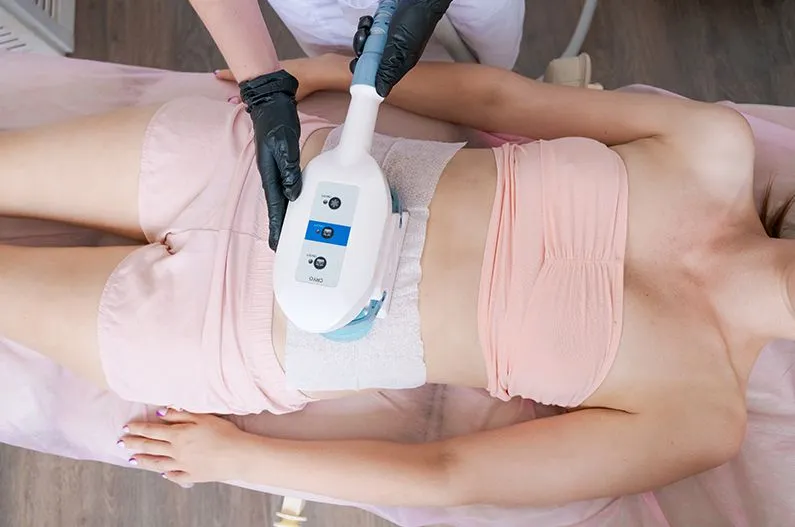
Not every body-focused procedure attempts to accomplish the same thing. Some technologies target localized fat deposits, while others stimulate muscle contractions or address skin appearance. Iconic Spa offers ICONIC SLIM for targeted contouring and ICONIC TONE, which combines high-intensity electromagnetic muscle stimulation with radiofrequency energy. These approaches work through different mechanisms and require individualized assessment. Their effectiveness and suitability depend on several factors, including the treatment area and medical history. Understanding what each technology actually does is more valuable than choosing a procedure based on photographs alone.
Know What Treatments Cannot Replace
Non-surgical aesthetic procedures are designed for specific cosmetic concerns, not comprehensive physical transformation. They cannot replace balanced nutrition, regular movement, adequate sleep, or medical care for underlying health conditions. Results may also be less noticeable when expectations involve substantial weight changes or dramatic reshaping. Someone seeking better endurance or improved metabolic health would need a different approach from someone interested in a localized appearance concern. Clear priorities help prevent unnecessary spending and allow individuals to select options that genuinely match their intended outcomes.
Consultation Questions Worth Asking First
Before scheduling treatment, ask which concern the procedure is intended to address and how progress will be evaluated. Discuss expected results, the number of sessions, possible discomfort, and any maintenance requirements. Certain devices may be unsuitable for people with specific medical conditions or implanted electronic devices, making an accurate health history essential. It is also worth asking about the provider’s training and the evidence supporting the proposed technology. A thoughtful consultation should make room for alternatives, including deciding that treatment is unnecessary.
Measure Progress Beyond Bathroom Scales
If appearance is your main concern, daily weighing may not provide the most meaningful feedback. Changes in clothing fit, consistent measurements, and photographs taken under similar conditions can sometimes reveal differences more clearly. However, body measurements fluctuate naturally with hydration, digestion, and other temporary factors. Avoid checking so frequently that ordinary variations become discouraging. When following a professional treatment plan, use the assessment methods recommended by your provider. The purpose of tracking should be understanding progress, not creating pressure to achieve a particular silhouette.
Conclusion
A changing silhouette does not automatically indicate weight gain, poor fitness, or a problem that needs correcting. Bodies respond to age, activity, and biology in individual ways, making simple comparisons unreliable. For those interested in understanding cosmetic contouring options, iconicspa.com provides information about available services and consultation opportunities. The most useful decision begins with identifying what you actually want to change and why. Sometimes progress means pursuing a carefully chosen procedure; other times, it means appreciating what a bathroom scale cannot measure.