

Fashion inspiration is everywhere. Social media, online stores, celebrity outfits, and seasonal collections introduce shoppers to new trends almost every day. With so many choices available, however, deciding what actually deserves a place in the wardrobe can become difficult.
Following a trusted source such as Sonia Begonia fashion blogger can help readers explore fashion ideas in a more organized way. Instead of simply seeing a product, readers can understand how different trends, accessories, and clothing choices may work in everyday life.
Turning Fashion Trends Into Wearable Ideas
Runway looks and celebrity outfits often influence mainstream fashion. Yet an outfit created for an event or fashion show may not translate directly into something suitable for work, shopping, traveling, or meeting friends.
Fashion blogs can make these trends more approachable. They may show how a statement jacket works with simple jeans or how a distinctive handbag can complement an otherwise neutral outfit.
This type of inspiration gives readers ideas without suggesting that they need an entirely new wardrobe. A few thoughtful changes can often create a fresh look using familiar pieces.
Exploring Style Without Overspending
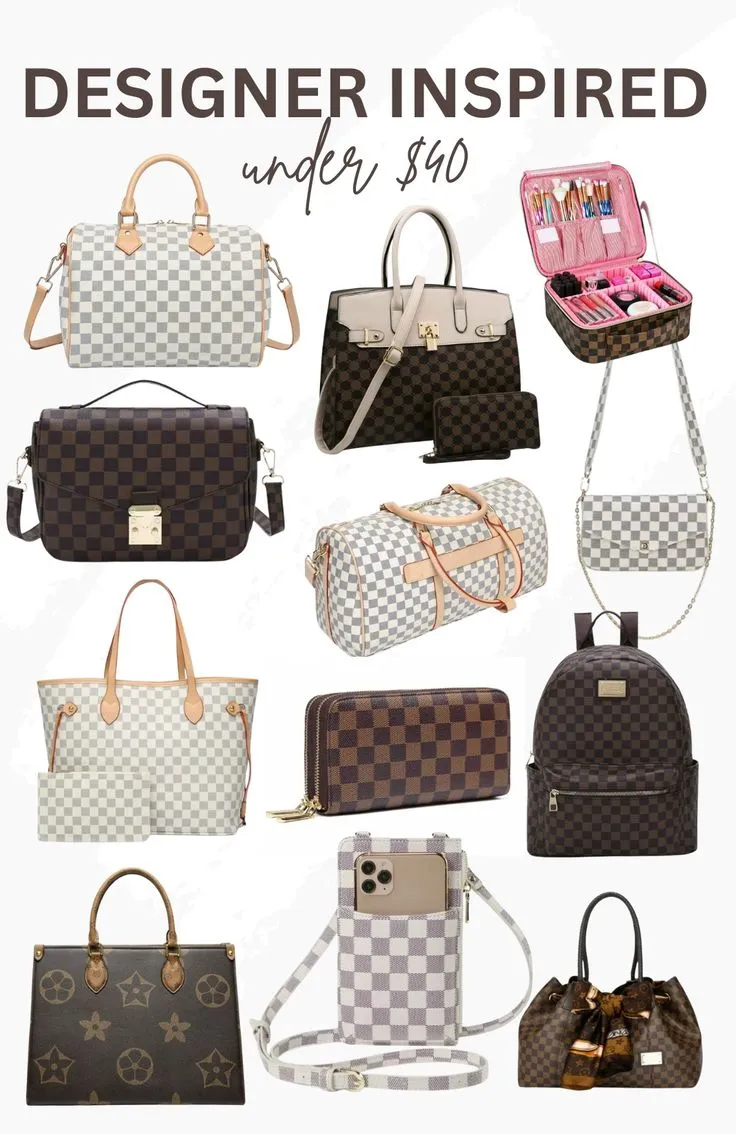
Luxury fashion influences everything from handbag shapes to footwear, jewelry, and seasonal colors. Many shoppers appreciate those aesthetics but may not want to spend heavily on a single designer item.
Guides to Designer Dupes can help readers explore more accessible options inspired by popular styles. The important point is to look beyond appearance and consider what an alternative actually offers.
Material, construction, size, functionality, and versatility can all influence the decision. An affordable option is most useful when it suits the shopper’s needs rather than simply resembling a current trend.
Building a Wardrobe for Everyday Life
Personal style should work with a person’s normal routine. Someone who spends most weekdays in an office may need versatile separates, while a person working remotely might rely more heavily on comfortable casual pieces.
The same principle applies to accessories. A large tote may be practical for commuting, whereas a compact crossbody bag could make more sense for weekends or travel.
Thinking about real situations makes it easier to avoid purchases that look attractive online but rarely get used. Practicality and personal taste can comfortably exist together.
Getting More From Existing Clothes
Finding inspiration does not always have to result in buying something new. Sometimes changing the way existing clothes are combined can make a wardrobe feel noticeably different.
A blazer normally worn with tailored trousers can be paired with denim and casual shoes. A simple dress may take on a different character with a belt, jewelry, boots, or a structured handbag.
These small changes can extend the usefulness of familiar clothing. They can also reveal which new items would genuinely add something useful instead of duplicating pieces already owned.
Compare Before Making a Purchase
Online shopping makes comparison easy, but it can also encourage quick decisions. Taking a few minutes to evaluate an item can prevent disappointment after it arrives.
Price is only one consideration. Shoppers can also check measurements, materials, care instructions, closures, available colors, and return conditions before deciding.
Frequency of use matters as well. A slightly more expensive item that works with several outfits may offer more practical value than something cheaper that only suits one occasion.
Develop a Personal Style Over Time
Trends naturally come and go, but personal preferences tend to become clearer with experience. Most people eventually notice recurring colors, silhouettes, fabrics, or accessories in the clothes they enjoy wearing most.
Recognizing these patterns can make future shopping decisions simpler. Instead of asking only whether something is fashionable, shoppers can consider whether it fits naturally into their existing style.
Fashion inspiration works best when it provides possibilities rather than strict rules. Readers can borrow an idea, adjust it to their preferences, or simply leave it behind if it does not suit them.
Conclusion
Fashion becomes easier to navigate when shopping decisions are based on personal needs rather than constant pressure to follow every trend. Useful fashion content can provide styling inspiration, introduce different options, and encourage readers to think about versatility before purchasing. By considering lifestyle, budget, existing clothing, and individual preferences, shoppers can gradually build wardrobes that feel more intentional. Trends can still provide fresh inspiration, but the final choice should always reflect what someone will genuinely enjoy wearing.