

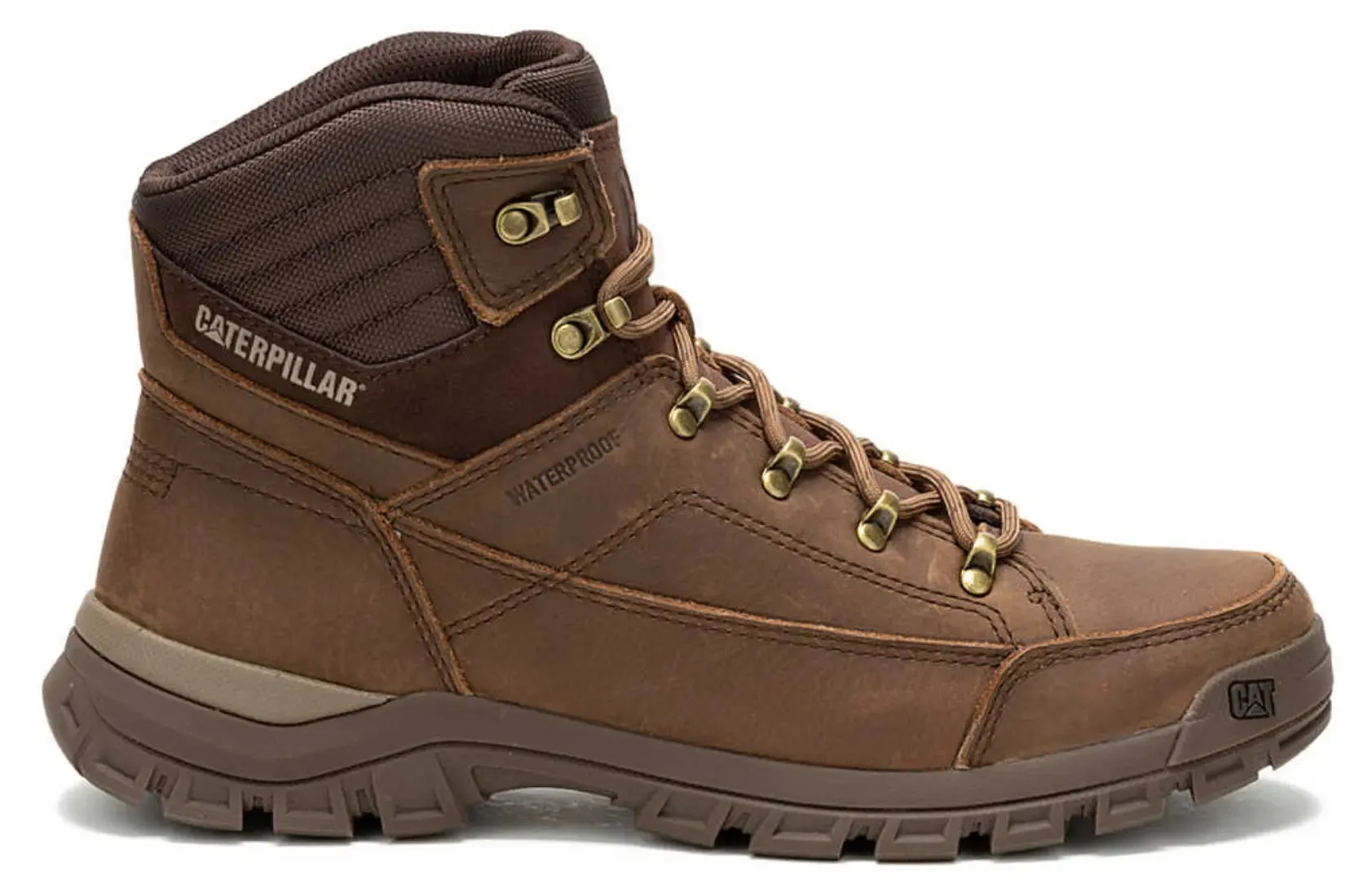
Anyone who has worked outdoors knows that wet weather turns a normal shift into a test of gear. Socks soak through, grip fades, and tired feet slow everything down long before the day is over. Choosing from the range of Caterpillar work boots can change how that day feels from the first minute to the last. Here is how a damp, demanding shift unfolds and where the right pair earns its keep. We will also touch on small habits that stretch the life of any pair.
Morning: Stepping Into Wet Ground
The day often begins with muddy paths, loose gravel and puddles near the gate. A sturdy outsole with deep lugs helps you stay planted while you carry tools across uneven, slippery ground. Good traction at this hour sets the tone, because one bad slip early on can make you cautious for the whole shift. Pay attention to how the sole flexes too, since stiff soles can tire the foot.
Fit matters just as much at this stage. Try boots with the socks you actually wear to work, since a snug heel and roomy toe box prevent rubbing before the first break. Leave a small gap in front of your longest toe, so your foot has space to shift naturally on slopes.
Midday: Staying Dry Under Pressure
By noon, standing water and constant splashing test every seam. Sealed construction keeps moisture out, so your feet stay warmer, and your focus stays on the task rather than on how cold and clammy your toes feel. Dry feet also hold up better against friction and skin irritation.
This is where Caterpillar waterproof boots make a real difference. Dry socks reduce blisters, and they also cut down on the chill that makes long outdoor afternoons feel endless. Check that the tongue is gusseted or well attached, because that small detail stops water from sneaking in around the laces.
Afternoon: Fighting Fatigue
Hours of standing, lifting and climbing put steady pressure on the arches and heels. Cushioned midsoles and supportive insoles spread that load across the foot, so you feel less sore when the whistle finally blows. Many workers upgrade the insole after a few months to keep that comfort fresh.
Breathability still counts even in the rain. Look for linings that move moisture away from the skin, because trapped sweat can leave feet clammy and uncomfortable by late afternoon. Fresh, breathable materials also help reduce the odor that builds up in closed boots.
Evening: Cleaning and Resetting
Once you are home, knock off loose mud and wipe the uppers with a damp cloth. Pull out the insoles and let everything air dry naturally, away from radiators, heaters or open flames. Stuffing the boots loosely with paper can speed up the process and help them keep their shape. Never force them into a cupboard while they are still wet.
A quick routine like this protects the materials and keeps odors under control. Rotating between two pairs through the week gives each one time to dry completely, which usually means the stitching and soles last noticeably longer. That small habit is one of the cheapest ways to protect your investment.
Small Extras That Add Up
Pairing your boots with moisture-wicking socks makes a bigger difference than most people expect. Wool blends and technical fabrics pull sweat away from the skin and add cushioning in the spots that take the most impact. Carry a spare pair in your bag so a mid-shift change is always possible when conditions turn nasty.
Laces deserve attention as well. Worn or frayed laces can snap at the worst moment, so replace them before they fail. Tie them snugly around the ankle but leave the forefoot slightly looser, which keeps your heel locked down without squeezing the toes during long hours of standing and climbing.
The Takeaway
A good pair of work boots is less about looks and more about how you feel at the end of the day. Grip, dryness, support, and fit all work together and missing even one of them shows up quickly in sore feet and low energy. Over weeks and months, those small daily differences add up to a much healthier routine.
When you are ready to shop, explore the options at fitnshoes.com and pick a pair built for the conditions you face most. Your future self, standing on a wet site at four in the afternoon, will be glad you did.