

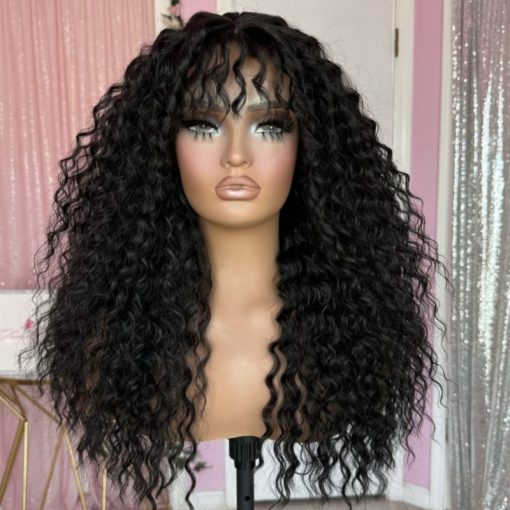
A wig can completely change the impression created by an outfit. The same dress may look casual with a short bob, glamorous with long waves or sophisticated with a shoulder-length style. Yet many first-time buyers concentrate on hair colour while overlooking the details that determine whether a wig looks natural.
Choosing a suitable Crossdressing Wig involves more than finding an attractive photograph. Hair density, cap construction, face shape, maintenance and the occasion all influence the final result. Understanding these factors can make shopping easier and reduce the need for expensive replacements.
Start With the Shape Rather Than the Colour
A hairstyle can influence how facial proportions appear. Hair that frames the cheeks may soften angular features, while longer layers can create movement around the jawline and shoulders. Short styles are often easier to maintain, especially for beginners unfamiliar with wig styling. Longer hairstyles offer more dramatic possibilities but usually require additional brushing, storage space and attention to tangling.
Instead of assuming that one hairstyle suits a particular face shape, compare several lengths. Photographs taken from the front and side can reveal differences that are difficult to recognise in a mirror. The goal is not to follow rigid beauty rules. It is to find a hairstyle that complements the desired presentation and feels comfortable.
Why Hair Density Makes a Difference
Some wigs contain considerably more hair than would naturally appear on a person’s head. While high density can work for theatrical styling, excessive volume may create an unnatural appearance in everyday situations. The placement of volume matters as much as the amount. Heavy hair around the crown can make a wig appear bulky, whereas softly distributed layers may produce a more balanced look.
Hairline construction is another consideration. Lace-front designs can create a different appearance around the forehead compared with basic cap constructions, although their quality and maintenance requirements vary. A convincing result depends on several details working together rather than one advertised feature.
Understanding Synthetic and Human Hair Options
Synthetic wigs generally hold their manufactured style after washing, making them convenient for customers who want a consistent appearance. However, not every synthetic fibre tolerates heated styling tools. Human hair wigs may allow more styling flexibility, depending on their construction and condition. They can also require additional maintenance and may cost considerably more. When researching Natural Looking Female Wigs For Transformation, compare the material, styling instructions and realistic maintenance commitment rather than relying entirely on product photographs.
Neither material is automatically the better choice. A well-constructed synthetic wig may be suitable for occasional wear, while someone changing hairstyles frequently might value other options.
Cap Fit Deserves More Attention
Even an attractive wig can look awkward when its cap does not fit correctly. A loose cap may shift during movement, while excessive tightness can create pressure around the forehead and temples. Measure the head circumference according to the seller’s instructions. Where adjustable straps are provided, use them to secure the wig without creating unnecessary tension.
People with longer natural hair may need to arrange it underneath the cap before fitting the wig. Flattening bulky sections helps prevent unevenness around the crown. Comfort should be checked while turning the head, sitting and moving naturally, not simply while looking straight into a mirror.
Colour Choices Should Consider Lighting
Hair colour can appear noticeably different under warm indoor lighting, daylight and bright artificial lamps. A shade that looks subtle in a catalogue may appear more vibrant outdoors. Customers seeking a natural appearance might begin with colours that complement their preferred makeup and clothing palette. Those interested in performance or cosplay may deliberately choose stronger contrasts.
Highlights, darker roots and subtle variations in tone can influence how hair texture appears. However, the effect depends on the particular wig and its construction. Whenever possible, examine several product photographs and check descriptions carefully before selecting a colour.
Keep Styling Simple at First
A new wig often needs minor adjustments before it suits the wearer. Repositioning the parting, gently arranging layers or using appropriate styling products may improve its appearance. Avoid cutting large sections immediately. Wig fibres do not grow back, and significant alterations may be difficult to reverse.
Use brushes and cleaning products appropriate for the fibre type. Ordinary heated tools should never be applied to synthetic hair unless the manufacturer explicitly confirms heat compatibility. Store the wig clean and dry, away from direct sunlight and unnecessary friction. A suitable stand or storage arrangement helps preserve its shape.
Conclusion
Finding the right wig requires attention to fit, density, hairstyle, material and realistic maintenance needs. A carefully chosen style can complement clothing and accessories without requiring complicated daily preparation. Australian shoppers exploring the wig collections at dsbodyskins.com.au can compare options according to their preferred appearance and intended use. Taking time to understand construction and care requirements makes it easier to select a wig that remains enjoyable beyond its first fitting.