

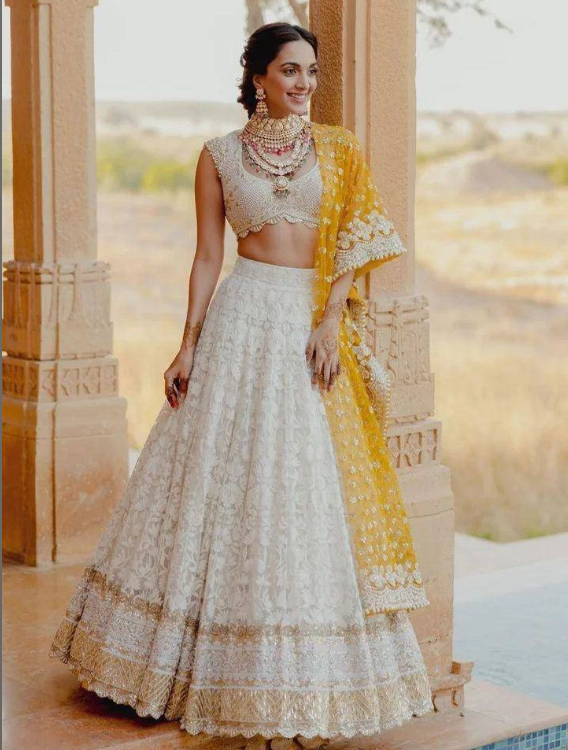
Not every lehenga leaves the same impression. Two outfits can look similar at first glance, yet one instantly feels ordinary while the other commands attention the moment it enters a room. That difference rarely comes down to luck. It comes down to craftsmanship, detailing, and the thought put into every element of the design.
This is precisely what sets a designer lehenga choli apart from a mass-produced outfit. The distinction lies not in fabric alone, but in construction, finishing, and the small design decisions that are often overlooked by the untrained eye.
Understanding these details helps explain why certain outfits are remembered long after the event ends, while others fade into the background of countless similar designs.
Why First Impressions Rarely Tell the Full Story
At a glance, many lehengas can appear comparable, especially in photographs or under store lighting. The real difference often becomes visible only up close, in the quality of stitching or the way fabric falls when in motion.
This is why experienced buyers rarely judge an outfit solely on its appearance from a distance. They look closer, examining seams, linings, and finishing touches.
These finer elements ultimately determine how an outfit performs through hours of wear, not just how it photographs in a single frame.
The Craftsmanship Behind a Truly Designer Piece
A designer lehenga is defined less by its label and more by the level of skill invested in its creation. Hand-finished edges, precise pleating, and carefully balanced proportions all contribute to a garment that feels considered rather than assembled.
These details take time and skill, which is exactly why they are absent in outfits built for speed and volume rather than individual excellence.
Why Embroidered Lehenga Designs Continue to Stand Out
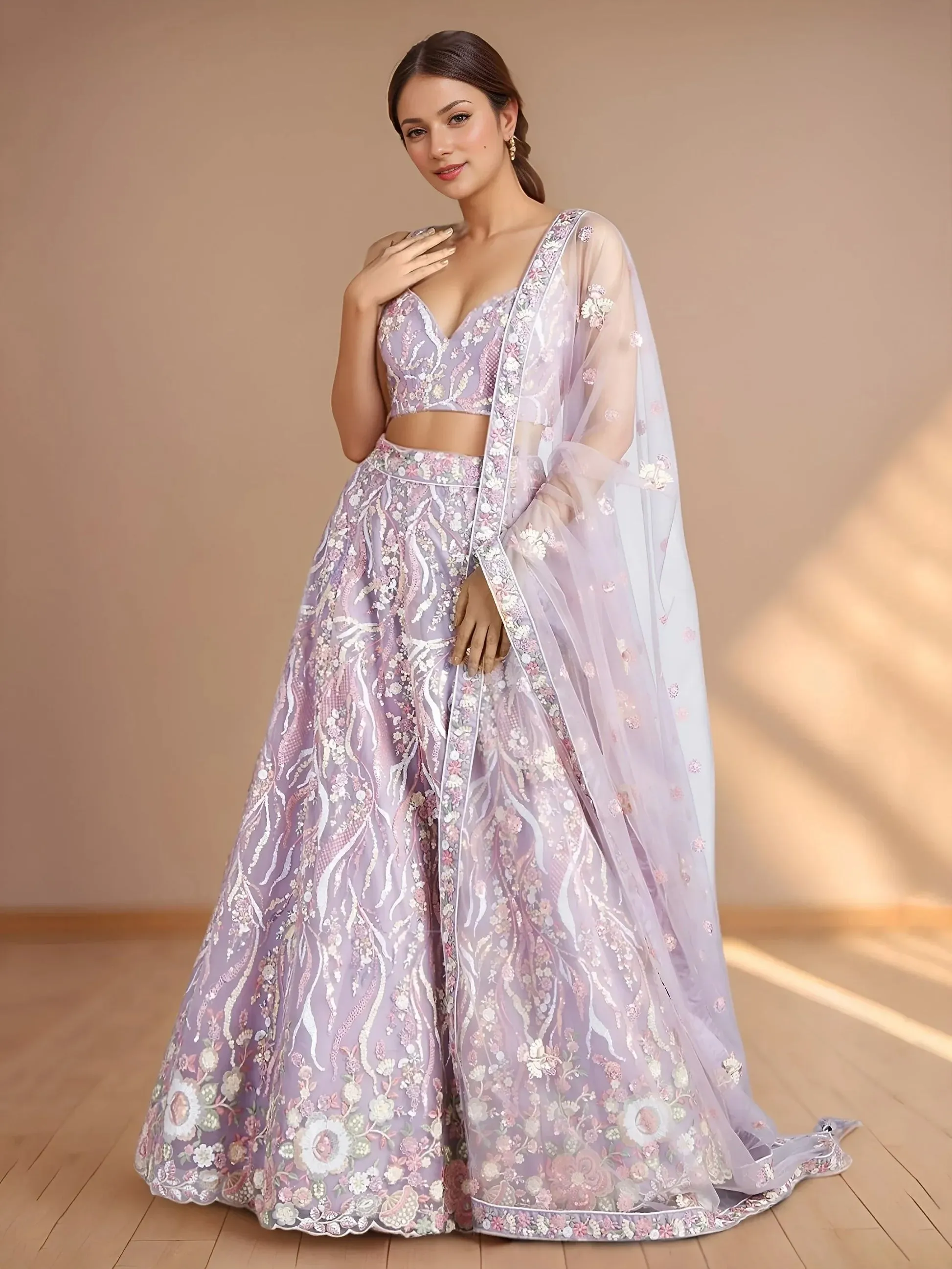
Few elements elevate a lehenga quite like well-executed embroidery. An embroidered lehenga draws attention not through excess, but through the precision and balance of its needlework.
The best embroidery work is deliberate. Thread density, motif placement, and the harmony between embellishment and fabric all play a role in how refined the final piece appears.
Poorly executed embroidery, on the other hand, can overwhelm an outfit or feel disconnected from its overall design, which is why skilled craftsmanship remains essential.
What Separates Quality Detailing from Surface-Level Decoration
Genuine design excellence goes beyond visible embellishment. It extends to elements that are not immediately obvious but are felt the moment the outfit is worn.
Quality detailing typically includes:
-
Reinforced seams for durability
-
Balanced weight distribution across the garment
-
Smooth, comfortable linings
-
Thoughtful placement of embellishments to enhance movement
These choices reflect a deeper understanding of how a garment should behave, not just how it should look while standing still.
How Fabric Choice Influences the Final Impression
The fabric selected for a lehenga plays a defining role in how the finished outfit feels and performs. Heavier fabrics tend to hold structure well, making them suited to elaborate embroidery and dramatic silhouettes.
Lighter fabrics, meanwhile, offer better movement and comfort, particularly for outfits that will be worn for extended periods.
A well-designed lehenga considers this balance carefully, pairing fabric weight with the intended embellishment so that neither compromises the other’s impact.
The Role of Proportion and Silhouette in Elevated Design
Even the most intricate embroidery can lose impact if the overall silhouette is poorly proportioned. Skilled designers pay close attention to how a lehenga’s flare, waistline, and length work together to flatter the wearer.
This attention to proportion is often what separates a genuinely elevated design from one that simply carries expensive detailing without cohesive structure.
Recognizing the Value of Thoughtful Design
For many buyers, understanding these details changes how they evaluate a lehenga altogether. Instead of focusing purely on embellishment or price, they begin noticing construction quality, finishing, and overall craftsmanship.
This shift in perspective often leads to more satisfying purchases, as buyers learn to identify outfits that will hold their beauty and structure well beyond a single wear.
Final Thoughts
The gap between an ordinary lehenga and a designer masterpiece rarely lies in a single feature. It lies in the sum of many small decisions, from fabric selection to embroidery precision to silhouette balance.
A designer lehenga choli, when thoughtfully embroidered and constructed, becomes more than an outfit; it becomes a demonstration of skill and intention.
As buyers grow more attentive to these details, the appreciation for genuine craftsmanship in ethnic fashion continues to grow, rewarding designs that are built with care rather than convenience.