
The festive season is joyful, but it also produces piles of packaging, wrapping paper and unwanted plastic. Many households now want to enjoy the holidays while leaving a lighter footprint. The good news is that small swaps, repeated across the whole season, add up quickly. Gifts are one of the easiest places to begin making kinder choices, and the ideas below show how to do it without losing any of the sparkle.
The Hidden Cost of Festive Shopping
A surprising amount of extra rubbish is created between late November and early January. Glittery wrapping, plastic bottles and single-use trimmings are admired for a few minutes and then discarded. Much of it cannot be recycled, so it sits in landfill long after the celebrations have faded.
Personal care gifts are a common culprit. Liquid products often arrive in plastic bottles wrapped in even more plastic, with a pump and a seal as extras. Switching to solid alternatives removes most of that packaging at once while keeping the present just as enjoyable. Being aware of this pattern makes it far easier to choose differently.
Why Solid Bars Make Sense
A solid bar needs no bottle, no pump and very little water, because it is not diluted to fill a container. That makes it lighter to post and easier to store. One bar also lasts a surprisingly long time when it is kept dry between uses. It also means fewer empty bottles cluttering the bathroom shelf.
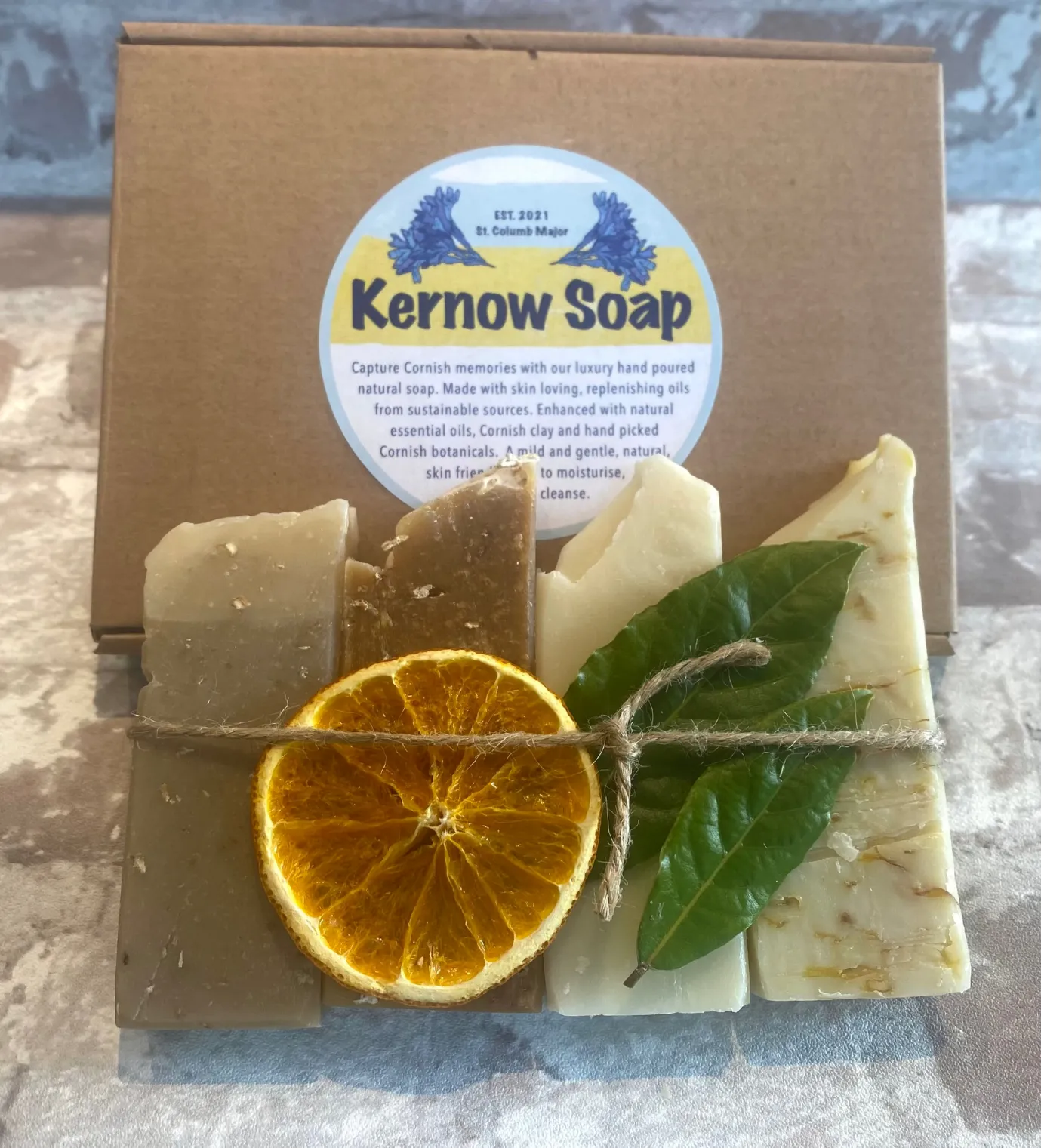
Many shoppers now look for Christmas soaps wrapped in paper rather than plastic, so the whole gift can be composted or recycled afterwards. It is a quiet way to give something lovely without adding to the pile of rubbish once December ends.
Ingredients Worth Checking
Sustainability is not only about packaging, so look at what is inside the product too. Plant-based oils, gentle colours from natural sources and ethically sourced ingredients all reduce the impact on skin and on the wider environment. A short, readable ingredient list is usually a good sign.
Palm oil deserves particular attention because its production has been linked to deforestation in several parts of the world. Choosing palm-free recipes is a simple way to sidestep that concern. Makers who explain their ingredients openly are generally the ones worth supporting.
Wrap It Without the Waste
Plain brown paper, fabric squares and old maps all make charming wrapping that costs almost nothing. Decorate with dried orange slices, cinnamon sticks or a pressed leaf. These touches smell wonderful and decompose naturally, unlike foil ribbons and glitter, which cling to everything and refuse to disappear.
If you enjoy a challenge, try furoshiki, the Japanese art of wrapping with cloth. The fabric becomes part of the gift and can be reused for years. Recipients often appreciate the scarf or tea towel as much as whatever was folded inside it. It is thrifty, charming and wonderfully easy once you have learned a single knot.
Support Local Makers
Buying from small independent producers shortens the supply chain and keeps money in the community. Parcels travel fewer miles, batches are smaller, and you can usually ask the maker a question directly. That transparency makes it much easier to trust the claims on the label. It also tends to make gift-giving feel more personal and rewarding.
Small workshops also tend to make only what they can sell, which limits surplus stock. You are rewarding care and craft rather than mass production. Over time, those choices help shape what shops decide to offer, so every purchase quietly counts as a vote.
Make Good Habits Last
The festive season is a useful trigger for lasting change. Once you discover how easy solid products and paper wrapping are, they tend to stay in your routine all year. Habits that begin as seasonal experiments often become the new normal, quietly shrinking your household waste without any further effort.
Share what you learn with friends and relatives. A kind remark about how well a plastic-free gift worked can inspire others to try it themselves. Change spreads through example far more effectively than through lectures, and a thoughtful present is a gentle way to start those conversations naturally.
Conclusion
A greener celebration does not demand sacrifice, only a little planning and a few better habits. Solid, plant-based products, plain wrapping and local makers all help reduce waste without dulling the joy of giving. Start with one or two changes this year and build from there. For thoughtful, palm-free options made in small batches, Kernow Soap is a Cornish name worth exploring this winter.