

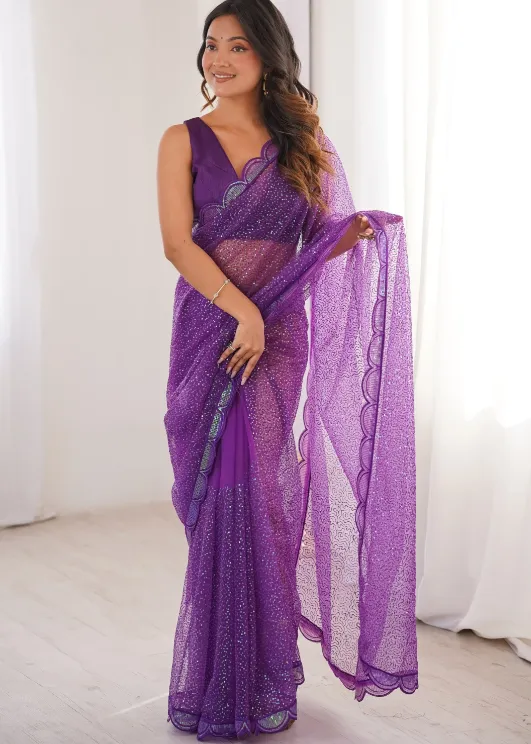
Every region of the country has a weaving language of its own, shaped by climate, ritual and centuries of craft. Owning even a few of these pieces turns a wardrobe into a small museum you can wear. A traditional saree from a respected weaving centre carries history in every thread, and knowing how to style it brings that history to life. Let us walk through the map one region at a time.
Why Weaves Carry Stories of Their Homeland
Weaving traditions grew from local resources. Silk thrived where mulberry and tasar grew, light cotton flourished in humid regions, and bright dyes mirrored the landscape. Motifs often borrow from temples, rivers, birds and flowers found nearby. When you wear a regional weave, you carry a piece of that geography with you, which is why these pieces feel so meaningful. Heritage becomes personal when it touches your skin.
Understanding this story also helps you choose wisely. A fabric designed for hot weather will not behave like one made for cooler hills. Heavy borders were woven for ceremony, while lighter weaves suited daily life. Matching the weave to the occasion respects its origins and makes your outfit more comfortable, practical and graceful. Good dressing begins with understanding the cloth.
Northern and Western Classics Worth Owning
Among the many Indian Sarees, the Banarasi stands as a pillar of northern elegance, with brocade patterns shimmering in gold and silver. It suits weddings and grand evenings, and it looks lovely with a simple blouse and classic jewellery. Chanderi, from central India, offers a lighter, sheer texture that feels perfect for daytime functions and festive lunches. Both can be draped within minutes and last for years.
Western India contributes Bandhani, with its tie dye dots, and Patola, famed for sharp geometric patterns. Bandhani brings playfulness to haldi and Navratri gatherings, while Patola suits formal occasions. Maheshwari weaves combine soft cotton and silk with reversible borders, giving you an elegant option for office events and family dinners without heaviness. Each carries a distinct personality, so mixing them keeps your wardrobe lively.
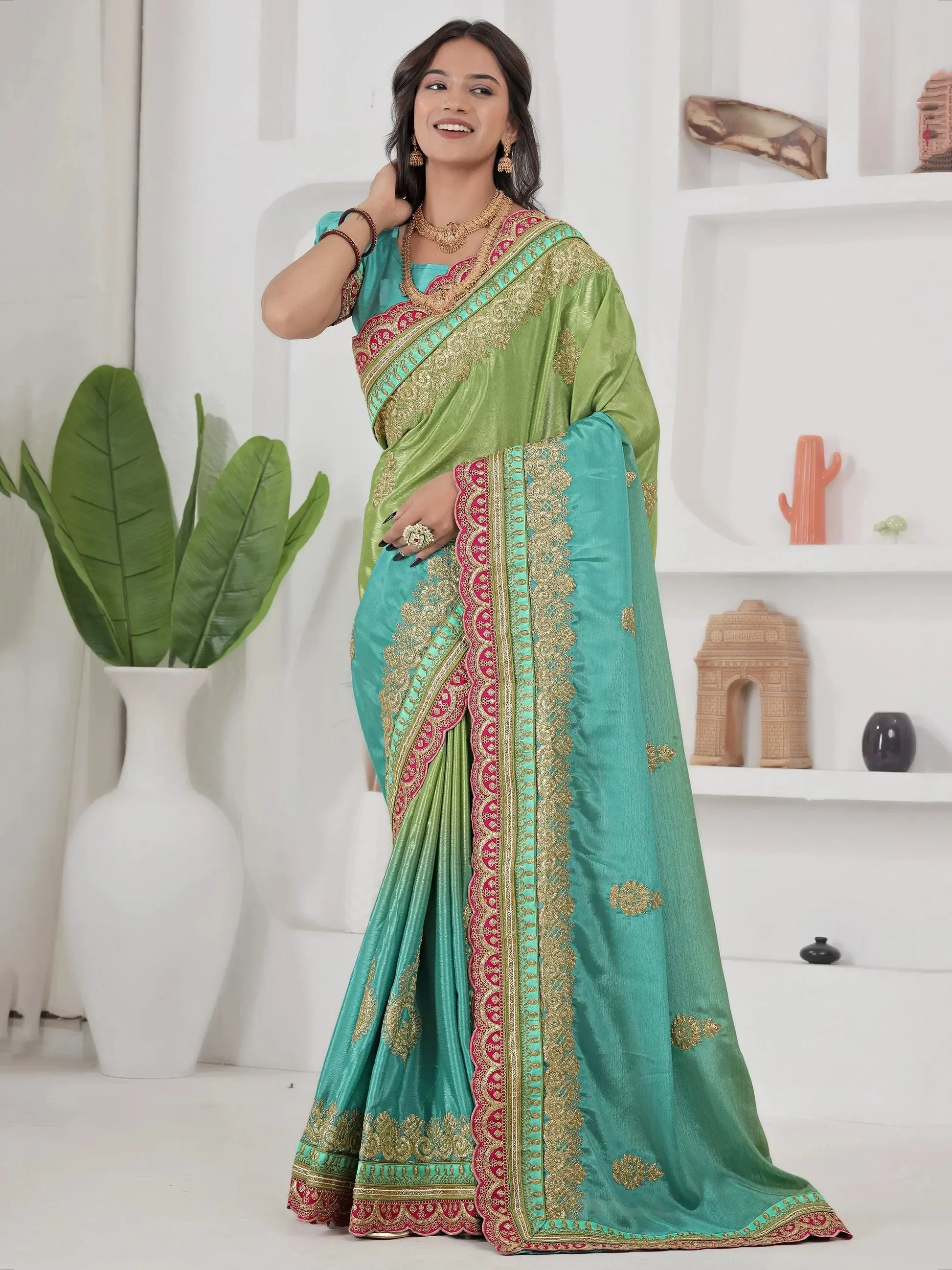
Southern and Eastern Treasures
The south is renowned for the Kanjivaram, woven with rich silk and bold temple borders. It holds structure beautifully and suits weddings and festivals, where its deep colours glow. Pair it with antique gold jewellery, and the outfit speaks of heritage. Mysore silk offers a gentler weight and a soft sheen, making it ideal for longer events. Southern silks also reward careful storage and slow wear.
In the east, Bengal gifts us Tant, a crisp, breathable cotton loved for daily elegance, and Baluchari, with storytelling motifs. Odisha offers Sambalpuri ikat, whose blurred patterns look modern and artistic. These weaves can be worn to galleries, classrooms or celebrations, proving that tradition adapts easily to contemporary life when styled with confidence. Their softer textures suit travel, since they pack easily.
Lightweight Weaves for Everyday Elegance
Not every weave needs a special occasion. Cotton handlooms, linen blends and soft mulmul are wonderful for daily wear, since they breathe well and handle heat. Pair them with a crisp blouse and simple silver or terracotta jewellery. These choices suit teachers, designers and busy professionals who want grace without any fuss. Add a bold blouse to lift them whenever you wish.
Everyday weaves also make an excellent starting point for beginners. They are light, forgiving and easy to drape, and they build confidence for heavier silks later. Try one in a calm colour such as indigo or ivory, and wear it to a small family lunch. Gradually you will notice how naturally the habit grows. Soon you will reach for them without thinking.
Building a Wardrobe Slowly and Caring for It
You do not need a dozen pieces at once. Begin with one silk for celebrations, one cotton for daily wear and one lighter weave for in between. Choose colours that suit your skin and the jewellery you already own. A small, thoughtful collection always feels richer than a crowded cupboard of impulsive buys. Patience also teaches you what you truly love to wear.
Care keeps these treasures alive. Fold them with muslin between the creases, refold every few months to avoid permanent lines and air them in shade. Keep silks away from perfume and moisture. With patient handling, a single weave can travel from mother to daughter, carrying memories that no modern factory piece could ever replicate. That continuity is the real beauty of handloom heritage.